loader

Germany is a direction where not only the fact of shipment from the country matters, but also the specific departure point: the city, cargo type, and onward movement scheme. The AllCargo catalog for this direction currently lists routes from Munich, Worms, and Hamburg.

Road, air, and multimodal schemes can be used for shipments from Germany. Route selection is typically built around urgency, shipment parameters, transshipment requirements, and the leg configuration to the destination country.

Freight Transportation from Germany

Logistics from Germany typically relies on the country's central position within the EU and the combination of several types of infrastructure at once: roads, railways, ports, inland waterways, and major aviation hubs. Hamburg is important for northern export and transshipment schemes, Frankfurt am Main for air shipments, and Munich as a notable air cargo processing point for the south of the country.

In practice, a route from Germany is often chosen not by the formula "ship from the country," but by the logic of a specific hub: whether a direct road scheme is possible, whether an airport exit is needed, or whether it is better to build a multimodal chain where the long leg runs by rail or waterway and trucks handle the first and last mile.

Delivery Routes from Germany

The Germany catalog currently lists routes from Munich and Worms to Tashkent, as well as from Hamburg to Ashgabat.

Types of Shipments from Germany

Below are the main formats that are logically used for international shipments from Germany.

01.

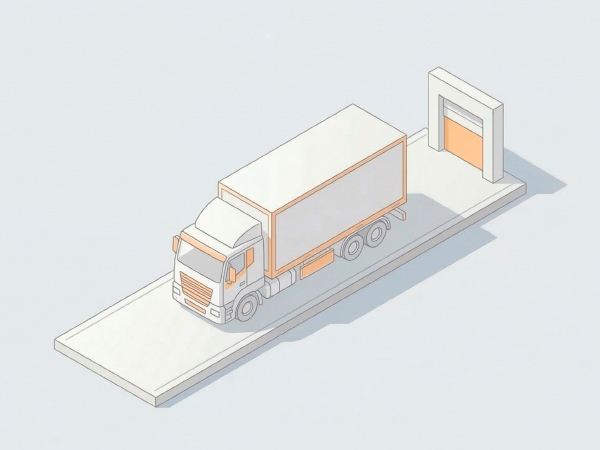
Road Freight from Germany

A road scheme is appropriate where direct pickup from a warehouse, factory, or consolidation point is important without unnecessary reloading at the start. For Germany, this format is especially natural due to the dense overland infrastructure and convenient connectivity between industrial regions and neighboring European markets.

02.

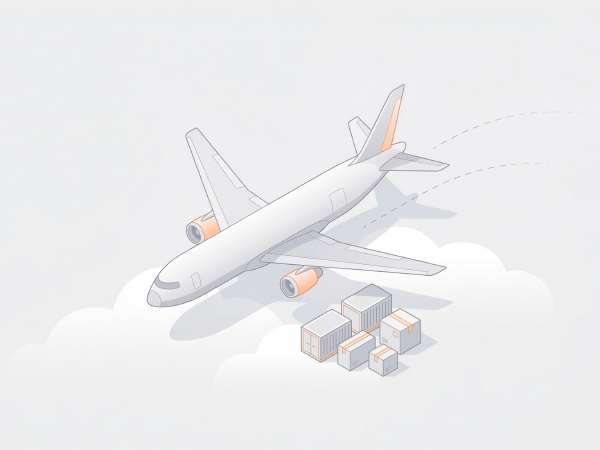
Air Freight from Germany

Air freight is in demand when cargo is sensitive to time, downtime, or the cost of delay. In German logistics, this format relies on major cargo airports: Frankfurt am Main stands out for its strong combination of air and road delivery, while Munich serves as the largest air cargo hub in the south of the country.

03.

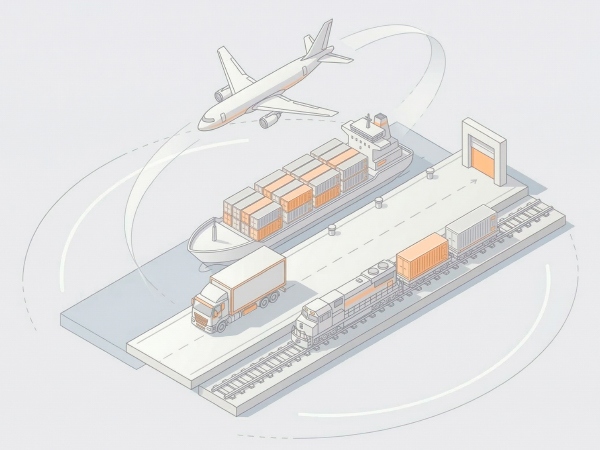
Multimodal Freight from Germany

A multimodal scheme is needed when a direct route does not provide the best configuration in terms of legs and handling points. In Germany, it is especially logical for shipments through terminals and port hubs, where the long segment runs by rail or waterway and trucks cover the first and last mile.

Cities of Origin for Shipments from Germany

The current departure points on the platform reflect different logistics roles within the country: a southern air cargo hub, a river industrial corridor, and a northern port center.

Munich

Munich is primarily associated with the air cargo logic of southern Germany: the city's airport shows growing throughput and is positioned as the largest air cargo hub in the southern part of the country. This departure point is well suited for urgent, higher-value, and high-tech shipments that require fast access to the international network.

Worms

Worms is an operational point on the Rhine corridor with its own port facilities, transshipment infrastructure, warehouses, and container capacity. For routes, it is a logical place for consolidating and dispatching shipments where the road leg combines with a multimodal scheme.

Hamburg

Hamburg is important as Germany's largest seaport and Europe's leading rail port. For international shipments, it is a strong hub where the route requires transshipment, container logic, or connectivity with the extensive rail network serving inland European regions.

What Affects Transit Times and Rates from Germany

The final rate and transit time for Germany are shaped not by a single parameter, but by the combination of route, departure hub, and transport configuration.

  • review thumb
    Route and Destination Country

    Even with identical cargo, the outcome changes depending on the direction: an overland leg within Europe is one thing, a route with an exit to Central Asia or an additional connection along the way is another. The more legs and hubs in the chain, the greater their impact on the transit time and calculation.

  • review thumb
    City of Origin

    Munich, Worms, and Hamburg each offer a different starting logic. One city is better integrated into the air network, another into river and warehouse infrastructure, and a third into port and rail transshipment — so even within the same country of origin, the route configuration can differ significantly.

  • review thumb
    Transport Mode

    Road, air, and multimodal schemes solve different problems and affect price and transit time differently. The higher the speed requirement and the lower the tolerance for delay, the more often the route shifts toward air freight; for long chains with transshipment, a multimodal model is more commonly used.

  • review thumb
    Presence of Transshipment

    If cargo passes through an airport, terminal, or port hub, an additional handling stage appears. This sometimes makes the route more logical and stable in configuration, but always requires accounting for connections, the terminal schedule, and transshipment time.

  • review thumb
    Cargo Type

    Dimensions, weight, packaging, temperature requirements, shock sensitivity, and special documentation requirements all have a strong impact on the calculation. For chemical, pharmaceutical, electronic, and industrial products this is especially noticeable, because the handling logic for such shipments differs fundamentally.

  • review thumb
    Shipment Format

    Full load, partial shipment, consolidation, and regular serial dispatches are each calculated differently. If the cargo requires dedicated transport or a special handling regime, this affects both the rate and the availability of a specific scheme for the direction.

Frequently Asked Questions about Freight from Germany

The minimum cargo size for this page is 100 kg. This is a reference point for the B2B logic of the direction; beyond that, the shipment format, cargo type, and appropriate transport scheme are what matter.

Road, air, and multimodal freight are considered for this direction. The choice between them depends on whether a direct overland pickup is needed, a fast airport exit, or a combined chain through a terminal or port hub.

The current Germany catalog lists shipments from Munich, Worms, and Hamburg. These points already illustrate different route logics in their own right: air, river/warehouse, and port.

The rate is influenced by the destination, city of origin, transport mode, presence of transshipment, cargo parameters, and shipment format. The same goods from Germany can be quoted differently if the departure hub or movement scheme changes — for example, direct road delivery versus a multimodal route through a terminal.

Transit times are not determined by distance alone. They are affected by whether the cargo moves on a direct leg or via transshipment, whether air freight is used, whether shipment consolidation is required, and how many hubs are involved in the route between Germany and the destination.

Start by identifying the city of origin, cargo characteristics, and acceptable delivery scheme. If the shipment is urgent and time-sensitive, an air exit is the logical choice; if the task is stable dispatch of regular shipments, a road scheme is often more suitable; if the route is long and complex, it makes sense to build a multimodal chain.

Yes, if a route for that direction has already been published on the platform. The carrier is visible in the route cards, and the catalog filters allow sorting by country, city, transport mode, and other parameters.

A published route card typically shows the departure and destination points, the carrier, the stated delivery time, the starting rate, the calculation format, and the minimum weight or shipment threshold. Some routes also display the chain of intermediate points the delivery passes through.