loader

This page is designed for those looking for international cargo transportation from the Netherlands and who want to quickly understand the logic of the destination, shipping points, and available delivery formats.

Road, air, and multimodal transportation solutions can be used from the Netherlands; the route is typically selected based on urgency, cargo characteristics, point of origin, and the number of stages in the supply chain.

Cargo Transportation from the Netherlands

The Netherlands is characterized by its role as a distribution hub: a significant share of the country’s foreign trade flows is related to re-export activities, and shipments are often organized around the combination of Schiphol Airport, the Amsterdam port and terminal infrastructure, and further transportation across Europe and beyond.

When selecting a route, companies usually determine what is most important for a particular shipment: rapid access through an air cargo hub, overland transportation within Europe, or a multi-stage supply chain involving terminals and transit hubs. In the Netherlands, this is especially noticeable for cargo sensitive to transit times, temperature requirements, security standards, and connection reliability.

Shipping Routes from the Netherlands

The platform catalog includes both direct and connecting routes from Amsterdam and Schiphol, including destinations such as Almaty, Tashkent, Tbilisi, Bishkek, and Dubai.

Types of Transportation from the Netherlands

Several shipping approaches are commonly used from the Netherlands, each serving its own purpose.

01.

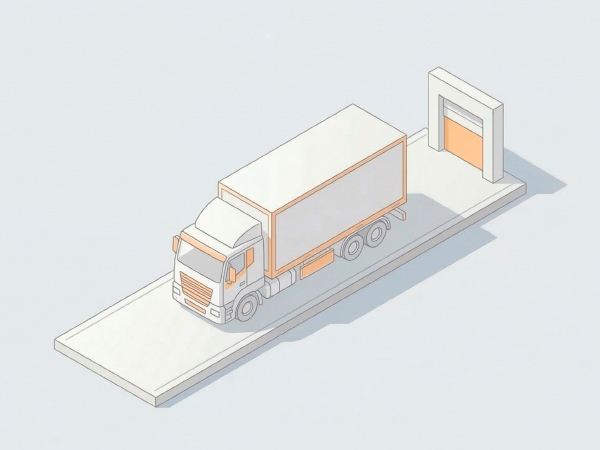
Road Freight from the Netherlands

This format is most commonly used within the European transport corridor: for regular B2B shipments, pickup from warehouses or terminals, and delivery to the next logistics hub. For Amsterdam, it is a natural part of the logistics chain connected to ports, railways, and inland waterways.

02.

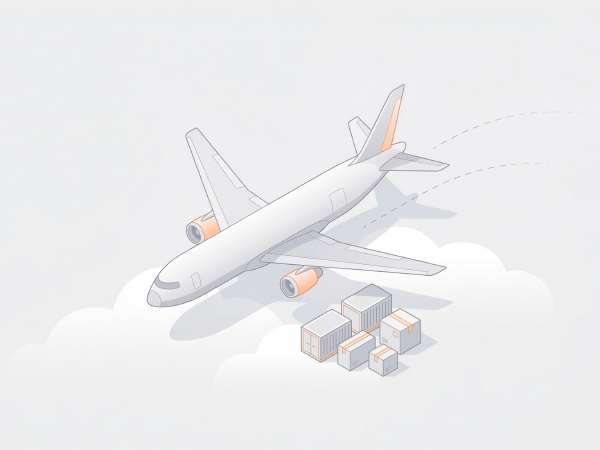
Air Freight from the Netherlands

Schiphol is used when cargo is time-sensitive: pharmaceutical products, medical devices, flowers, perishables, and high-tech goods. In this model, rapid handling, controlled conditions, and coordination between airport infrastructure, logistics operators, and regulatory authorities are essential.

03.

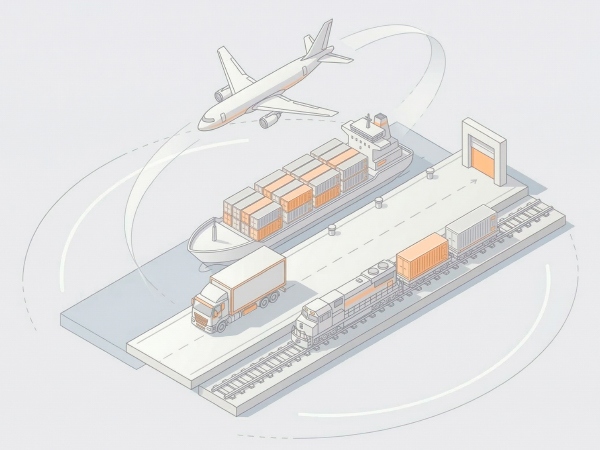
Multimodal Transportation from the Netherlands

This format is used when a direct route is not the most efficient option from either a geographical or economic perspective and the shipment is organized through several transportation legs. For the Netherlands, this is a logical approach due to the combination of airport facilities, port terminals, and land transport corridors. The platform catalog includes multi-stage routes from Amsterdam to Tashkent and Almaty.

Cities of Origin for Cargo Shipments from the Netherlands

Two points of origin are specified for this page, and each serves its own logistics function.

Amsterdam

Amsterdam is important as a port and terminal hub. Its logistics network includes multimodal transshipment facilities connected to road transport, railways, and inland waterways, as well as operations involving containerized, general, and project cargo.

Schiphol

Schiphol is a key point for air freight and time-sensitive shipments. It is particularly suitable for pharmaceutical products, medical equipment, flowers, perishables, electronics, and other goods where processing speed, controlled conditions, and coordinated interaction with customs and regulatory authorities are critical.

What Affects Delivery Times and Rates from the Netherlands

Rates and transit times depend not on a single factor, but on a combination of the point of origin, route configuration, and cargo requirements.

  • review thumb
    Point of Origin

    Routes from Amsterdam are generally based on terminal and multimodal logistics, while shipments from Schiphol rely on air cargo handling and rapid access to the international transportation network. Even with the same destination country, this changes the logistics process from the very beginning.

  • review thumb
    Number of Transportation Stages

    A direct shipment and a route involving connections result in different costs and transit schedules. Routes from the Netherlands available on the platform include both models, from short direct solutions to multi-stage transportation chains through intermediate hubs.

  • review thumb
    Mode of Transport

    Road, air, and multimodal transportation influence pricing in different ways: in some cases speed is the key factor, in others the length of the overland segment, and in others the number of transshipments between transport stages. In the Netherlands, this difference is especially visible between airport-based and terminal-based logistics models.

  • review thumb
    Cargo Characteristics

    Pharmaceutical products, flowers, perishables, and high-tech goods require different handling procedures compared to standard general cargo. As a result, requirements for temperature control, security, documentation, and route selection change significantly.

  • review thumb
    Shipment Format and Consolidation

    A shipment that immediately enters a ready logistics chain is priced differently from cargo that must first be consolidated or transshipped at a terminal. For Amsterdam, this is particularly relevant because of the role played by multimodal terminals and cargo transfers between transportation stages.

  • review thumb
    Destination Market

    Different markets involve different transit hubs and transportation segments, so the destination affects not only distance but also the overall delivery configuration. This is already evident from the routes published from Amsterdam and Schiphol.

Frequently Asked Questions About Cargo Shipping from the Netherlands

The minimum shipment size for this destination is 100 kg. This threshold helps filter out small consignments and focuses on B2B transportation solutions.

This page covers three transportation formats: road freight, air freight, and multimodal solutions. The specific option is selected based on urgency, cargo characteristics, point of origin, and route configuration.

Within the scope of this page, shipments originate from two locations: Amsterdam and Schiphol. The former is more closely associated with terminal and multimodal logistics, while the latter is focused on air freight and time-sensitive cargo.

Shipping rates are influenced by the route, the number of transportation stages, the mode of transport, cargo characteristics, and the point of origin. The same destination market may be priced differently depending on whether the shipment travels directly, through connections, or via terminal consolidation.

Transit times depend on whether the shipment moves via a direct route or through intermediate hubs, as well as on the type of cargo and the selected transportation format. Routes from the Netherlands on the platform include both short direct solutions and multi-stage transportation chains.

First, determine the point of origin—Amsterdam or Schiphol—and then identify what is most critical for the shipment: speed, temperature control, cargo safety, or overall logistics cost. After that, it makes sense to compare direct and multimodal solutions rather than focusing solely on the destination country.

Yes. If a route between the required countries and cities is published on the platform, the route card typically includes the carrier and basic information about the transportation scheme. This allows users to work with an already structured logistics solution rather than an abstract destination.

A route card typically displays the points of origin and destination, the carrier, the route structure through intermediate hubs, the pricing format, and the minimum shipment size. The detailed page also shows the complete transportation chain for the route.