loader

This page is dedicated to international freight shipments from Hong Kong, with a focus on available shipping schemes, route logic, and route selection parameters.

For this direction, a sea leg or a multimodal scheme with transshipment and subsequent forwarding along the chain is typically considered. The route is selected based on cargo type, shipment size, number of legs, and destination point.

Freight Transportation from Hong Kong

Logistics from Hong Kong is built around port handling, transit, and re-export. Official Hong Kong statistics show that re-exports significantly exceed domestic exports, and the Marine Department explicitly points to a high share of transshipment in the port's container throughput.

For this direction, the Kwai Tsing container terminals, free port status, and the connection with flows passing through mainland China are especially important. In practice, this means that from Hong Kong, the choice is often not simply a "sea shipment from one city," but a scheme that requires coordinating the port, transshipment, electronic document submission, and the onward movement of cargo along a multimodal route.

Delivery Routes from Hong Kong

Further down the page, routes are more conveniently viewed as ready-made direction cards, where the key parameters of each offer are immediately visible.

Gonkong - Toshkent
dan $7 335,0 Konteyneri uchun
Batafsil

Types of Shipments from Hong Kong

For Hong Kong, the basic route logic usually comes down to a sea shipment through port infrastructure or a multimodal scheme where the sea leg connects with a subsequent overland stage.

01.

Sea Freight from Hong Kong

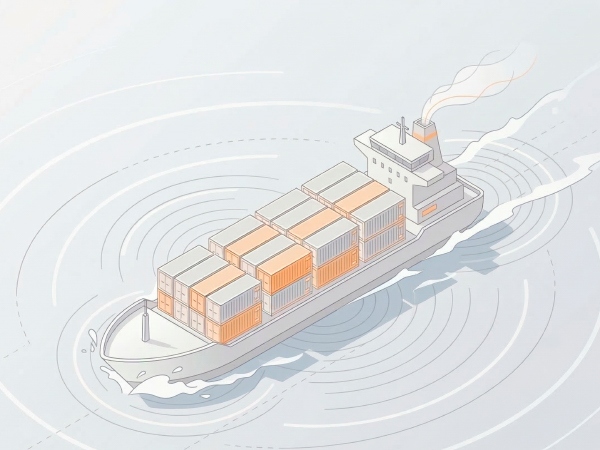
This is the primary format for container, transit, and re-export shipments through the port of Hong Kong. It is the logical choice where cargo moves through terminal infrastructure and does not require a separate accelerating link with another mode of transport.

02.

Multimodal Freight from Hong Kong

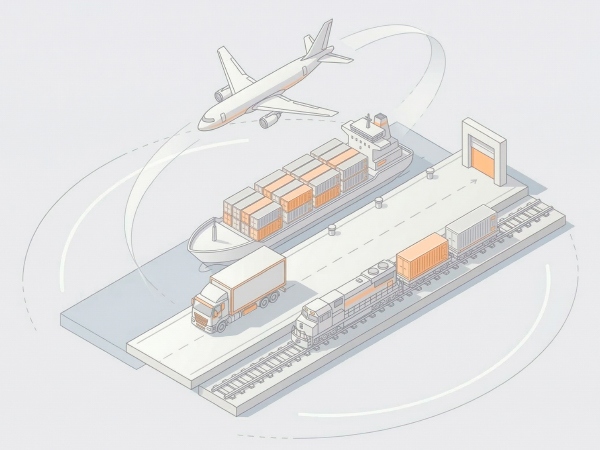
This format is needed when the sea portion of the route connects with onward delivery through a cross-border or intercontinental segment. For Hong Kong, this is especially common in schemes involving mainland China, cargo consolidation, and electronic trade document processing.

Cities of Origin for Shipments from Hong Kong

For the current direction, the shipment is tied to a single city, but its role in logistics is considerably broader than that of a typical departure point.

Hong Kong

Hong Kong acts as a port and transit hub combining container handling, consolidation, re-export, and the onward connection of cargo with international supply chains. For this direction, the Kwai Tsing terminals and the link with flows passing through mainland China are especially important.

What Affects Transit Times and Rates from Hong Kong

For this direction, costs and transit times depend not on a single parameter, but on how the entire cargo movement chain is assembled.

  • review thumb
    Route and Number of Legs

    A direct sea shipment and a scheme with transshipment are calculated differently. For Hong Kong this is critical, because the port operates as a transit hub, and an extra leg in the chain almost always affects both the transit time and the rate.

  • review thumb
    Shipment Format

    A full container load, consolidation, and a multimodal shipment each require different export organization. The more operations involved in picking, leg coordination, and shipment redistribution, the more noticeably the final cost changes.

  • review thumb
    Connection with Mainland China

    If cargo is routed through Guangdong and then moves intermodally, the transit time is affected by cross-border procedures, shipment integrity checks, and movement coordination between legs. For such flows, Hong Kong already has dedicated tools for acceleration and coordination.

  • review thumb
    Cargo Type

    Electronics, watches, and jewelry each have different packaging, handling, and escort requirements. The more sensitive and valuable the cargo, the greater the impact of these requirements on the route and rate calculation.

  • review thumb
    Documentation and Processing Scheme

    In Hong Kong, some processes are tied to electronic trade document submission, and for certain cargo categories and transit chains, documentation becomes a separate stage of the route. As a result, documents affect not only the cargo's clearance for shipment but also the actual departure time of the consignment.

Frequently Asked Questions about Freight from Hong Kong

The minimum cargo size for this direction is 100 kg. If the shipment is smaller, it falls outside the scope of this page and the standard calculation logic on the platform.

Sea and multimodal schemes are available for this direction. The choice between them depends on whether only a port export is needed or whether the route includes additional legs after the sea segment.

Within the current page, the shipment is listed from the city of Hong Kong. It is the point through which the port, transit, and multimodal logic of the direction is built.

The rate varies depending on the route, shipment format, number of legs, transshipment requirements, and documentation processing scheme. For Hong Kong, transit and intermodal chains involving the port, consolidation, and onward connection with another leg are especially price-sensitive.

Transit time is affected not only by distance and schedules, but also by the number of operations along the way: direct shipment, transshipment, consolidation, port departure, and the transition to the next route leg. For Hong Kong, this is especially noticeable because a significant share of container flows involves transit and transshipment.

Start by defining the cargo type, shipment format, and final delivery point. After that, determine whether a direct sea scheme is needed or whether it is better to build a multimodal route that accounts for transshipment, documentation, and the continuation of the chain beyond the port.

Yes, the selection is made through route cards and related offers for the direction. The user reviews the route itself, the transport format, the carrier, and the offer parameters, and then evaluates whether a specific scheme fits their requirements.

A route card typically shows the departure and destination points, the carrier, an estimated transit time, and information on the rate or tariff status. For the current direction, this is visible in the route catalog and in the detailed card of a specific offer.