loader

This page is dedicated to international freight shipments from India: it covers the main shipping formats, route logic, and cargo departure points.

Shipments from India can use sea, road, and multimodal schemes, and the route is typically chosen based on the city of origin, cargo type, number of legs in the chain, and last-mile delivery configuration.

Freight Transportation from India

Logistics from India is in many cases built around port hubs and the connection between inland pickup, export handling at the port, and the subsequent international route. For this direction, the specific hub through which the cargo exits is especially important: Nhava Sheva handles major container flows, Mundra plays a significant role in the western part of the country, and Chennai is used for shipments via the southern corridor.

Shipments from India can be structured as direct routes or through multiple legs with transshipment and subsequent inland delivery. Therefore, when choosing a route, not only the destination country is considered, but also the city of origin, cargo type, shipment format, and the overall logistics chain configuration.

Delivery Routes from India

The current routes on the platform show shipments from Indian port locations, where the choice of direction is directly tied to the cargo's departure city and the configuration of the entire chain.

Mumbai - Olmaota
dan $4,0 Kilogramm uchun
Batafsil
Mundra - Toshkent
dan $8 085,0 Konteyneri uchun
Batafsil
Chennai - Toshkent
dan $8 085,0 Konteyneri uchun
Batafsil
Nhava Sheva - Toshkent
dan $7 585,0 Konteyneri uchun
Batafsil

Types of Shipments from India

For shipments from India, the transport format is typically determined by where the cargo is located, which hub it exits through for export, and whether a single mode of transport or a multi-leg combination is required.

01.

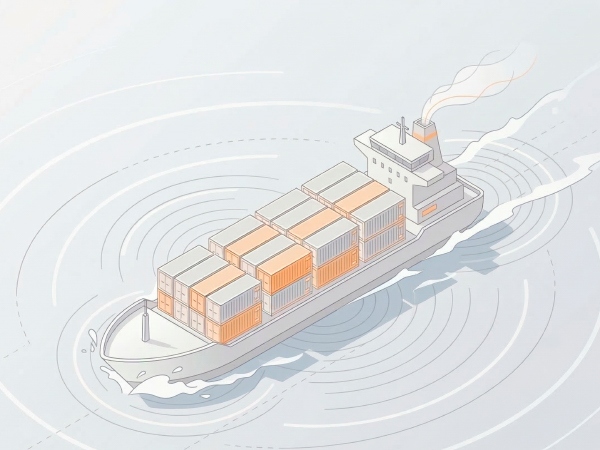
Sea Freight from India

This is the primary format for containerized and regular export shipments from India, especially when cargo moves through major port hubs such as Mundra, Nhava Sheva, and Chennai. The sea route most often forms the backbone of the shipment when shipment volume, port infrastructure, and stable container logic are priorities.

02.

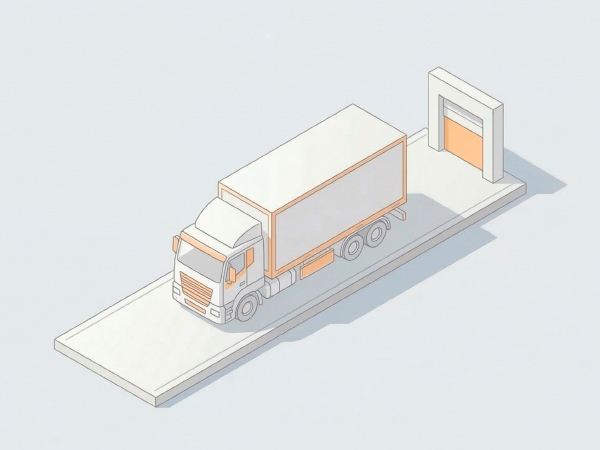
Road Freight from India

Road transport here is important primarily as part of the international chain: for pre-carriage to the port, post-carriage after arrival, and the overland leg in a combined route. Its role is especially visible where cargo passes through the hinterland and needs to be collected from an industrial region to an export point.

03.

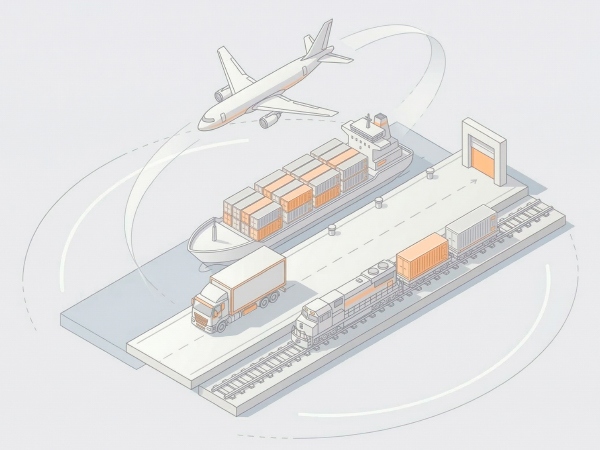
Multimodal Freight from India

For India, this format is particularly relevant when the route cannot be covered in a single leg and requires a combination of port, inland delivery, and intermediate transshipment. The current routes on the platform illustrate exactly this: a shipment from an Indian city is often structured as a combined chain rather than a straightforward direct delivery.

04.

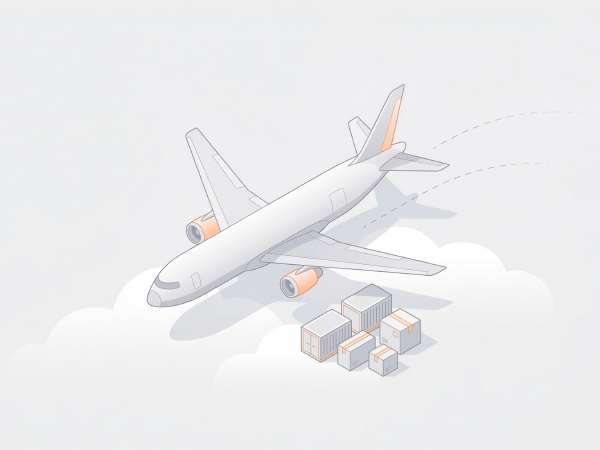
Air Freight from India

Air freight applies where cargo is time-sensitive, requires expedited handling, or does not fit the typical sea shipping schedule. For shipments from India, this format makes most sense for urgent and high-sensitivity cargo categories, though the main focus of this page is on sea and combined shipments.

Cities of Origin for Shipments from India

The current route cards on the platform show three departure points from India, each playing its own role in the export logic of the direction.

Mundra

Mundra serves as a major western port hub, oriented toward cargo flows from the northern and north-western regions of India. For international shipments, it is an important point where container handling and efficient port-to-road-and-rail connectivity are required.

Chennai

Chennai is connected to India's southern industrial base and handles containers, automotive exports, and project cargo. This departure city is a logical choice for shipments that enter the international route via the southern coastline and require reliable port infrastructure.

Nhava Sheva

Nhava Sheva is one of the country's key container hubs in the Navi Mumbai area, connected to a wide network of global ports and an extensive inland hinterland. For export shipments, it is a strong departure point where regular container services, cargo consolidation, and access to western India's major logistics network are essential.

What Affects Transit Times and Rates from India

For India, costs and transit times are especially sensitive to which hub the cargo moves through and how many legs are included in the chain.

  • review thumb
    City of Origin

    The difference between Mundra, Chennai, and Nhava Sheva is not formal — it affects the very nature of the route: the exit port, the inland leg, and the logic of the subsequent international segment all change. The same cargo can be quoted differently depending on the starting point.

  • review thumb
    Transport Mode

    Sea, road, and multimodal schemes each produce a different cost structure because they distribute the route legs, transshipment points, and chain requirements differently. The more complex the combination of transport modes, the greater the impact of operational details on the final rate.

  • review thumb
    Direct or Combined Route

    If the cargo moves through multiple legs rather than a single segment, transshipment, schedule alignment, and additional control points are factored in. For the current routes from India, this is especially relevant, as the platform displays exactly this kind of multi-leg shipment logic.

  • review thumb
    Cargo Type

    Industrial goods, pharmaceuticals, chemicals, and textiles differ in packaging, documentation, and handling requirements. As a result, the same route can yield a different rate depending on the commodity and the specific requirements of the shipment.

  • review thumb
    Shipment Format

    A full container load, a consolidated shipment, or regular deliveries with recurring cargo all affect the calculation differently. For India, this is especially noticeable in port logistics, where not only weight and volume matter but also the method of getting the cargo onto the export service.

  • review thumb
    Route Load

    Even with the same city of origin and cargo type, a route can vary due to slot availability, schedule alignment between legs, and the overall capacity of a specific chain. On routes with transshipment, this sensitivity is generally higher than on simple direct schemes.

Frequently Asked Questions about Freight from India

The minimum cargo size for this direction is 100 kg. This means the page is focused not on small individual parcels, but on B2B shipments where batch logistics matter.

Sea, road, and multimodal schemes are available for shipments from India. The sea leg typically forms the core of the route, road transport covers inland segments, and the multimodal scheme combines multiple legs into a single chain.

The platform currently shows shipments from Mundra, Chennai, and Nhava Sheva. These are not random points — they are cities tied to India's actual port and export logistics infrastructure.

The rate is influenced by the city of origin, route structure, number of legs in the chain, transport mode, shipment format, and the nature of the cargo itself. For India, this is especially evident on routes where the export shipment depends on a specific port and subsequent combined delivery.

Transit time depends not only on distance, but also on the chain configuration: whether the route is direct, whether there is transshipment, which hub the cargo moves through, and how the inland leg after the international segment is organized. The more legs involved, the greater the impact of overall scheme coordination on the final transit time.

Start with the city of origin and the nearest export hub, then consider cargo type, shipment format, and final delivery point. For India, the mistake often happens here: people select the country of origin in general, while the decisive factor turns out to be the specific port and the logic of routing cargo through it.

Yes, that is exactly the logic of this page: the user starts from the country of origin, then reviews available routes and their configurations. Based on current platform data, specific shipments from Indian cities to Tashkent are already visible.

A route card typically shows the departure point, destination, carrier, transit time, and rate. For the current routes from India, this data is already displayed in the catalog for each available chain.