English
 Русский
 Español
Air Freight from Singapore
Air delivery is used when speed and predictability of timelines are important. This format is suitable for urgent batches, high-value cargo, and shipments with tight time frames.

The page is dedicated to international cargo transportation from Singapore: here you will find the main shipping formats, points of departure, and the operational logic of this destination.
For shipments from Singapore, air, sea, and multimodal schemes can be used. The route is usually selected taking into account the point of departure, the nature of the cargo, urgency, and supply chain configuration.
Logistics from Singapore is built around one of the world's largest transport hubs, where the seaport and international airport play a key role. Thanks to the developed infrastructure, the country is used as an important consolidation and transit point for global supplies.
For Singapore, precise coordination between the type of cargo and the selected delivery scheme is particularly important. When planning a route, it is taken into account whether the shipment goes directly, whether transshipment is required, which transport is used at each stage, and how critical the delivery times are.
For destinations from Singapore, routes are formed with different cargo movement logic: from direct air schemes to complex multimodal chains with maritime legs.
Several formats of international delivery are used from Singapore, and each of them solves its own task within the logistics chain.
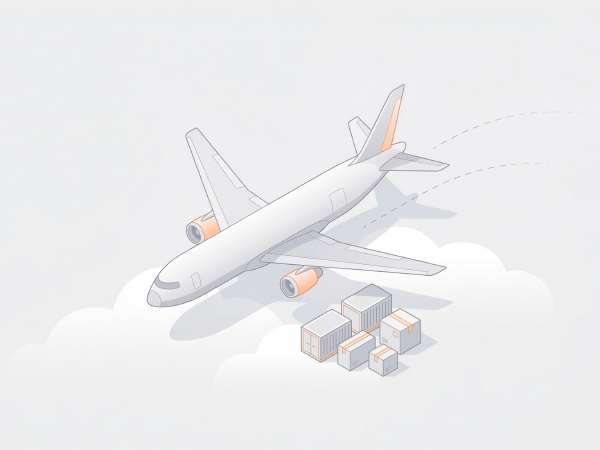
Air delivery is used when speed and predictability of timelines are important. This format is suitable for urgent batches, high-value cargo, and shipments with tight time frames.
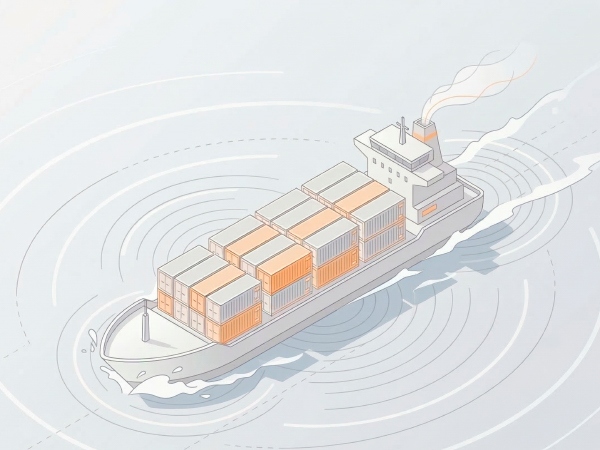
Sea transportation is the core format thanks to the developed port infrastructure. This option is used for container batches, regular supplies, and cost optimization for long-haul destinations.
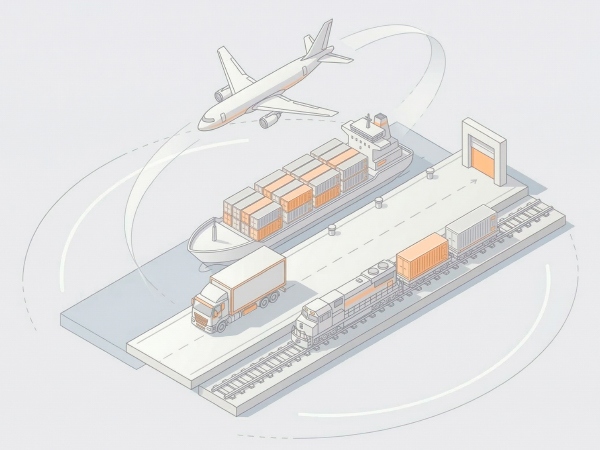
A multimodal scheme is applied when a single mode of transport is insufficient for the entire delivery chain. A combination of air, sea, and land stages with transshipment at transit hubs is used.
The departure point in Singapore is usually concentrated around a single logistics hub of the country.
Singapore acts as the main export and transit hub, where batches are formed for international delivery. Thanks to its compact territory and high density of infrastructure, it is convenient to organize cargo consolidation and shipment worldwide through the seaport and international airport.
The cost and delivery times are formed based on a complex of factors related to the route, transport type, and cargo characteristics.

Direct routes are faster and simpler to calculate, whereas complex schemes with transit and transshipments increase delivery times and costs.

Since Singapore represents a single logistics hub, the impact of the departure point is minimal; however, the cargo processing infrastructure and the selected terminal are important.
Air freight ensures speed, sea freight provides cost efficiency, and multimodal schemes allow balancing between timelines and costs.

Groupage and container shipments create different conditions in terms of cost and logistics organization, including cargo consolidation and processing.

Each additional route stage affects the final delivery time and cost, including processing, storage, and transshipment at transit hubs.

Cargo features, requirements for packaging, storage, and transportation determine the available delivery schemes and affect the final logistical configuration.
The minimum cargo size for placement and selection of transportation on this route is 100 kg. This is because the route is focused on B2B logistics.
Air, sea, and multimodal transportation are available for shipments from Singapore. The choice of format depends on the supply tasks and the required timeframes.
Within this route, Singapore's unified logistics infrastructure is used, including the seaport and international airport as key points for cargo processing.
The rate is affected by the route, transport type, shipment format, presence of transshipment, and cargo characteristics. The final cost is calculated individually for a specific delivery.
Delivery times are determined by the number of route stages, the selected mode of transport, and the need for transshipments at transit hubs.
First, the priority is determined: speed, cost, or balance. Next, the mode of transport and delivery scheme are selected taking into account the cargo characteristics.
Yes, the selection of a carrier is carried out based on the selected route and the required delivery format, taking into account the specifics of the cargo and the timeframes.
The route card typically reflects the transportation logic: destination, cargo movement scheme, and the modes of transport used.