loader

This page is dedicated to international cargo transportation from Japan and helps quickly understand the specifics of this trade lane: which shipping schemes are most suitable, what types of cargo are commonly handled, and which departure cities are available on the platform.

For this trade lane, sea freight, multimodal, and combined transportation schemes with a subsequent rail leg outside Japan are typically considered. When selecting a route, important factors usually include the port of departure, cargo characteristics, shipment format, and the number of transshipment points along the supply chain.

Cargo Transportation from Japan

Logistics from Japan are usually built around port hubs, as they define the configuration of the international transport leg. For this country, the connection between the industrial region, export port, and further delivery to the destination country is particularly important, especially when the final destination is located far from the seaport.

Containerized and multimodal transportation schemes are typical for shipments from Japan. Yokohama serves as a major universal port, Nagoya functions as a hub for industrial and automotive exports, Kobe is part of the strategic Hanshin container cluster, and Toyamashinko is linked to shipments from the industrial region along the Sea of Japan coast. Therefore, route selection is usually based not only on the destination country but also on the specific port of departure, cargo composition, and the logic of subsequent inland transportation.

Delivery Routes from Japan

Routes from Japan are generally built around a specific port hub and then adapted according to the requirements of multimodal or combined transportation to the final destination city.

Kobe - Toshkent
dan $10,0 Kilogramm uchun
Batafsil
Tokyo - Toshkent
dan $10,0 Kilogramm uchun
Batafsil
Tokyo - Toshkent
dan $14,0 Kilogramm uchun
Batafsil
Токио - Olmaota
dan $8,0 Kilogramm uchun
Batafsil
Yokohama - Toshkent
dan $9 085,0 Konteyneri uchun
Batafsil
Toyamashinko - Toshkent
dan $9 085,0 Konteyneri uchun
Batafsil
Nagoya - Toshkent
dan $9 085,0 Konteyneri uchun
Batafsil
Kobe - Toshkent
dan $9 085,0 Konteyneri uchun
Batafsil

Types of Transportation from Japan

For shipments from Japan, the choice of transportation format usually depends on whether only port-to-port sea freight is required or the entire logistics chain to an inland destination.

01.

Sea Freight from Japan

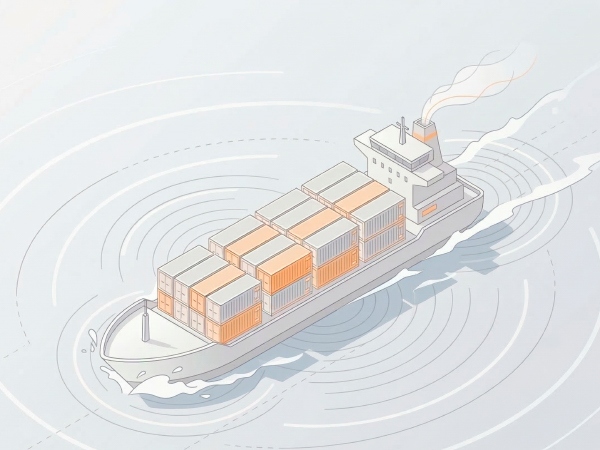
This is the basic transportation format for shipments from Japan, where cargo leaves through a seaport and continues along the international maritime route. Such a scheme is suitable for container shipments, industrial goods, and cargo that requires a specific port of departure.

02.

Multimodal Transportation from Japan

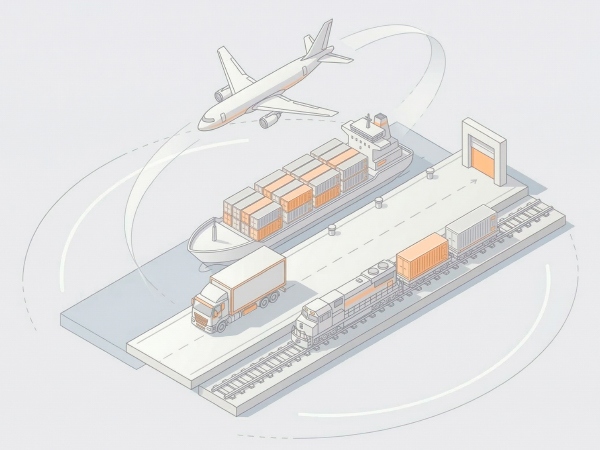
This format is used when a sea leg alone is not sufficient to reach the final destination. In such a scheme, sea freight from Japan is combined with subsequent inland transportation, and pricing depends not only on the port but also on how efficiently the different transport legs are connected.

03.

Rail Transportation After the Sea Leg

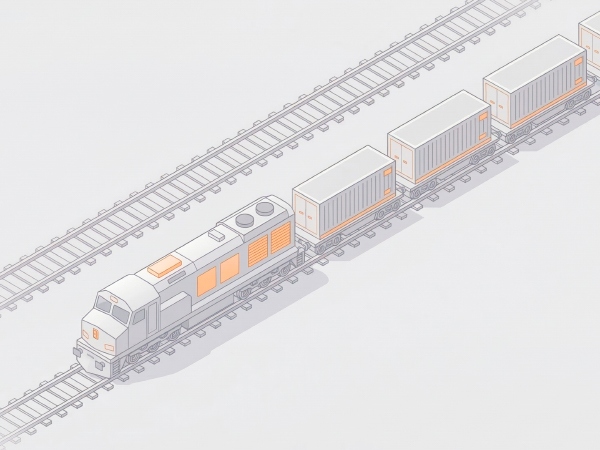
In this case, rail transportation is considered part of the onward transit after the cargo leaves a Japanese port. This option is relevant when a container must continue inland through a rail network after the maritime stage rather than complete its journey in the port area.

Cargo Departure Cities in Japan

For shipments from Japan, the platform uses four departure cities: Yokohama, Toyamashinko, Nagoya, and Kobe. Each of them plays a distinct logistical role within the export supply chain.

Yokohama

Yokohama is one of Japan’s key universal ports, handling containerized cargo, vehicles, and various other types of freight. For shippers, it is an important gateway connecting the industrial regions of central and eastern Japan with international transportation routes.

Toyamashinko

Toyamashinko can be considered a logical maritime departure point for cargo originating from the Toyama region. The region is known for pharmaceuticals, machinery manufacturing, metal processing, robotics, and electronic components, making it a natural export point for industrial and specialized cargo.

Nagoya

Nagoya is associated with one of Japan’s strongest manufacturing clusters. The city’s port is the largest in the country by total cargo throughput and leads in automobile exports, making it particularly suitable for automotive and machinery-related shipments.

Kobe

Kobe is part of the strategic Hanshin container port system and a major logistics hub in western Japan. This hub is especially important for routes requiring reliable container infrastructure and further integration into international transportation networks.

What Affects Delivery Times and Rates from Japan

For shipments from Japan, cost and transit time depend not on the country in the abstract, but on how the specific logistics chain is structured from the port of departure to the final destination.

  • review thumb
    Port of Departure

    Yokohama, Nagoya, Kobe, and Toyamashinko each belong to different port and industrial ecosystems. As a result, even similar cargo may be priced differently depending on the hub from which the shipment originates.

  • review thumb
    Route Configuration

    The more transport legs and connections involved in the supply chain, the more the route depends on coordination between stages. A direct sea route and a scheme involving transshipment or inland continuation result in different costs and varying sensitivity to operational disruptions.

  • review thumb
    Mode of Transport

    Sea freight, multimodal transportation, and routes with rail continuation are calculated according to different logistics models. Not only does the transportation cost change, but also the set of operations required between port departure and delivery to the final destination.

  • review thumb
    Shipment Format

    Full container loads, consolidated cargo, and shipments with special handling requirements lead to different pricing conditions. In practice, rates are influenced by weight, volume, loading method, and transshipment handling requirements.

  • review thumb
    Cargo Characteristics

    For equipment, electronics, chemical products, and pharmaceuticals, proper cargo descriptions, labeling, and documentation become increasingly important. The more complex the product category, the greater the impact of the preparation stage on the entire transportation process.

  • review thumb
    Export Restrictions

    Certain goods exported from Japan require preliminary verification for export control compliance. Controlled product categories may require special permits before the cargo can be physically exported.

Frequently Asked Questions About Cargo Delivery from Japan

The minimum shipment size for this trade lane is 100 kg. This immediately excludes small consignments and indicates that the page is focused on B2B logistics, where route structure, shipment type, and overall supply chain configuration are the key considerations.

This trade lane supports sea freight, multimodal transportation, and combined logistics schemes with a subsequent rail leg outside Japan. The choice depends on whether the cargo is intended to remain within the port area or continue inland to its final destination.

For shipments from Japan, the platform uses Yokohama, Toyamashinko, Nagoya, and Kobe. These are not random cities but port locations that are connected in different ways to the country’s industrial and export regions.

Shipping rates are influenced by the port of departure, transportation format, number of transport legs, transshipment requirements, shipment parameters, and cargo characteristics. For Japan, it is particularly important which port is used for export and how complex the route becomes after the maritime stage.

Delivery time depends on the configuration of the logistics chain rather than solely on the distance between countries. For shipments from Japan, port handling, connections with subsequent inland transport, and the presence of intermediate transshipment points play a significant role.

It is advisable to first determine the region in Japan from which the cargo originates and identify the most appropriate export port. After that, transportation formats, cargo requirements, the need for a multimodal solution, and possible documentation restrictions can be compared.

Yes. Transportation solutions are selected not simply for “Japan” as a whole, but for a specific combination of origin, cargo type, and destination. That is why, in practice, users first review available route listings and only then compare rates and transport leg configurations.

A route listing typically contains the key transportation parameters: origin point, destination point, transport mode, supply chain structure, and commercial terms of the offer. This allows users to quickly assess whether the route is suitable for their cargo before submitting a detailed inquiry.